
FAQ

Living with NF often comes with a lot of questions.

Here you’ll find answers to some of the most common questions about NF, support, and care in British Columbia. If you don’t find what you’re looking for, we invite you to connect with us. You don’t have to navigate this alone.

And for more in-depth details and resources:

What is neurofibromatosis (NF)?

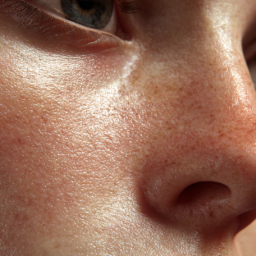
Neurofibromatosis (NF) is a group of genetic conditions that cause tumours to grow on nerves throughout the body. It can affect the skin, nervous system, bones, and other parts of the body, and it affects each person differently.
What causes NF?

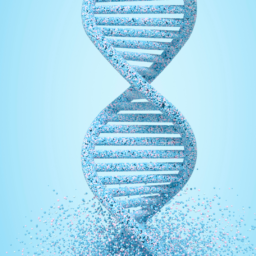
NF is caused by a change (mutation) in a gene. About half of people with NF inherit the condition from a parent. In the other half, NF occurs as a spontaneous (new) genetic mutation, with no family history.

NF is not caused by anything a parent did or did not do.

Is NF hereditary?

Yes. NF can be inherited. When a parent has NF, each child has a 50% chance of inheriting the gene change. Genetic counselling can help families understand inheritance and testing options.

What types of NF are there?

The main types include:

  • Neurofibromatosis type 1 (NF1). This is the most common form.
  • NF2-related schwannomatosis (NF2-SWN)
  • Schwannomatosis (SWN)

Each type has different features and care considerations.

What are common signs or symptoms of NF?

Signs and symptoms vary widely and may change over time. Some people have mild features, while others experience more complex medical challenges.

Detailed information about symptoms is available on our NF1, NF2-SWN and SWN pages.

Does everyone with NF have severe symptoms?

No. NF affects people very differently.

Some individuals experience mild features that require little medical intervention, while others face more complex health challenges. Symptoms can also change over time, and two people with the same type of NF, even within the same family, may have very different experiences.

Is NF contagious?

No. NF is not contagious and cannot be passed from person to person through contact, environment, or exposure.

Are there treatments for NF?

There is currently no cure for NF, but many symptoms and complications can be treated or managed. Care may include:

  • Monitoring and regular follow-up
  • Surgery for certain tumours or complications
  • Medications to manage pain or other symptoms
  • New and emerging therapies for specific NF-related conditions

Treatment depends on the individual and should be guided by healthcare providers familiar with NF.

Can cutaneous (skin) neurofibromas be removed?

Some neurofibromas can be removed if they cause pain, functional problems, or other concerns. Not all neurofibromas require treatment. Decisions about removal are made on a case-by-case basis with your physician.

Does NF increase cancer risk?

Some forms of NF are associated with an increased risk of certain cancers. For example, women with NF1 have a higher risk of breast cancer and may require earlier screening. Your healthcare provider can help determine appropriate screening based on your situation.